Automotive Pliers
Circlip Pliers Types and Uses
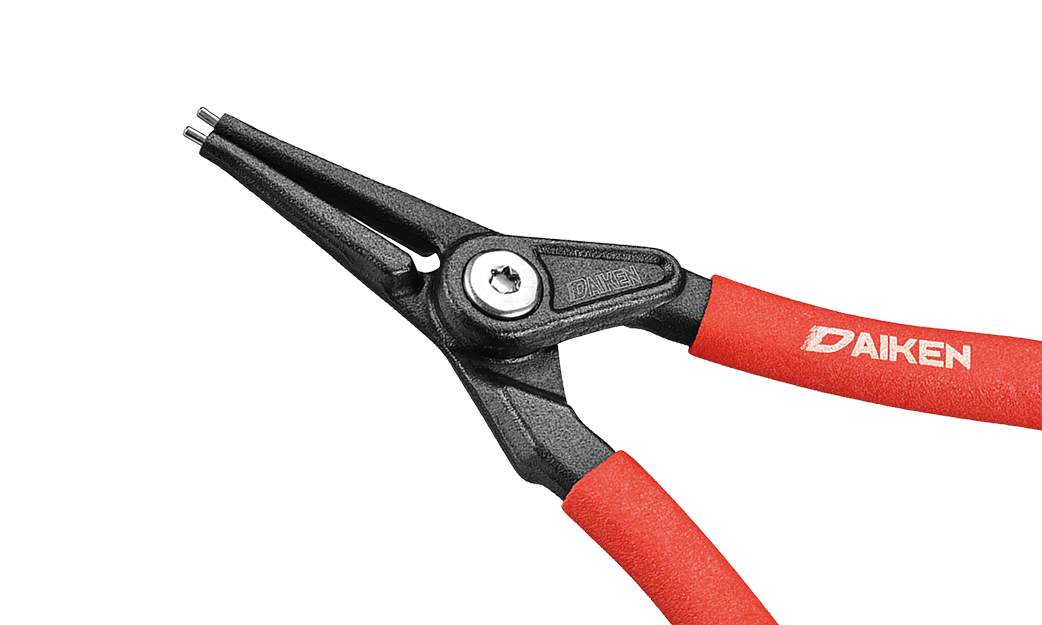
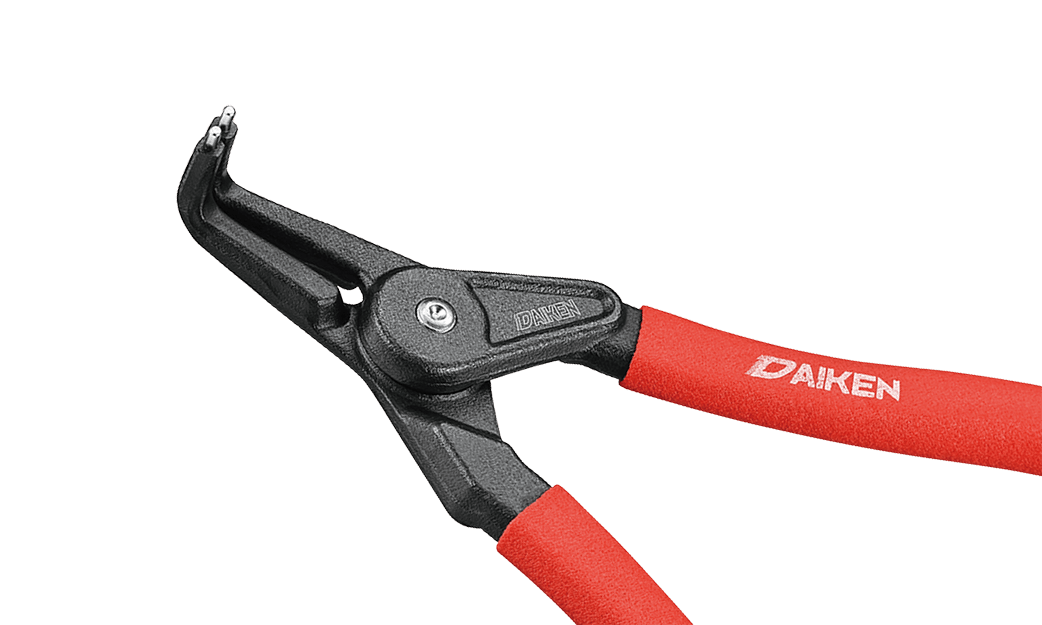
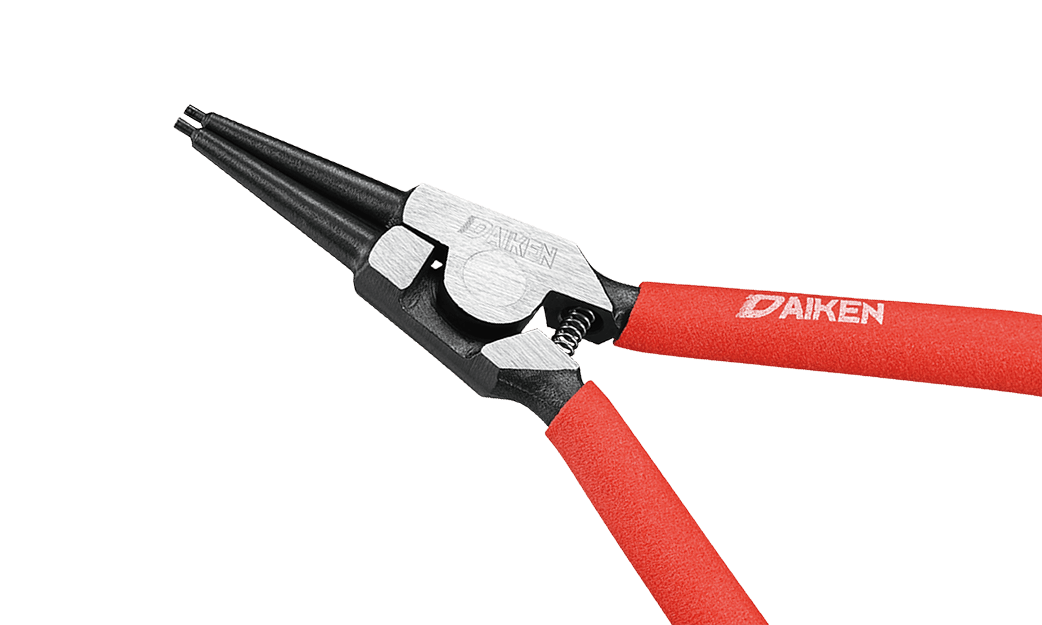
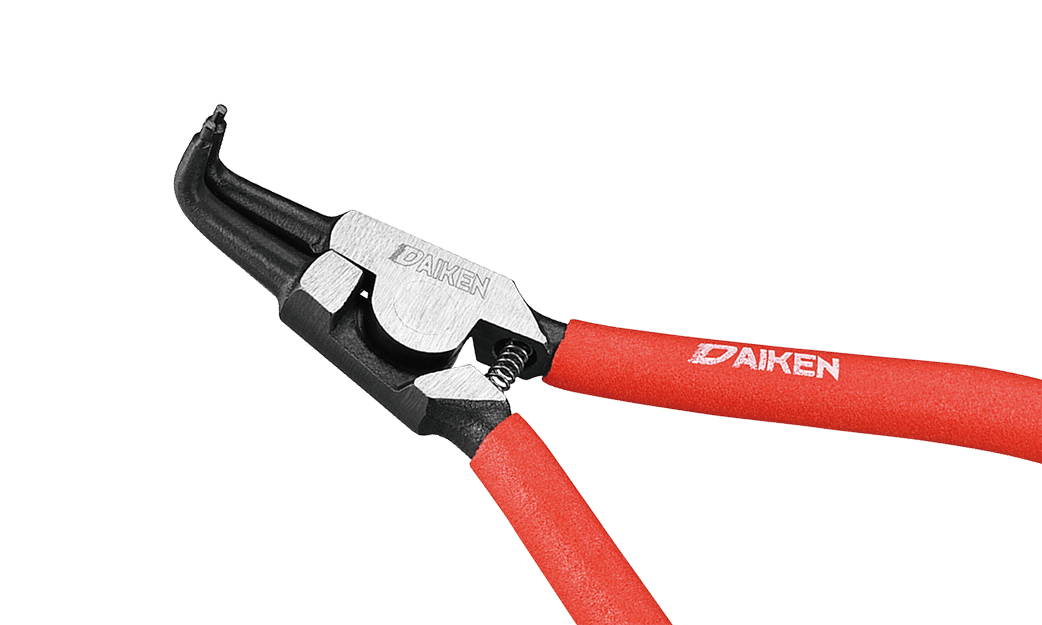
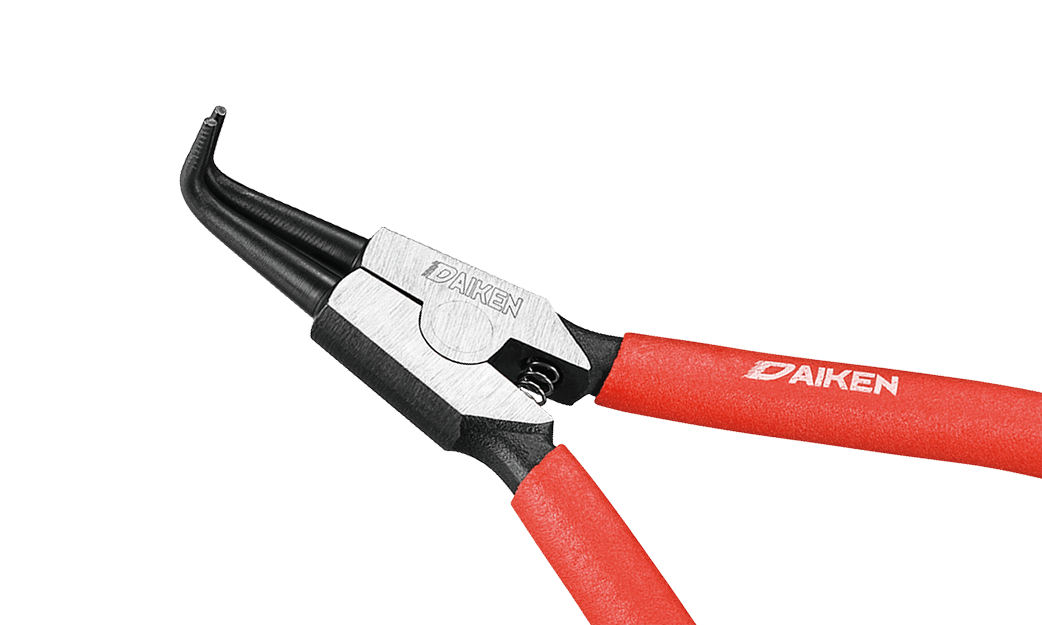
External Circlip Pliers (Straight and Bent)
- Use: spread external circlips to install or remove them on the outside of a shaft or the outer wall of a bore.
- Typical jobs: wheel hubs, clutches, pulleys and brake caliper retaining rings.
- Straight tip: works head-on and goes straight into narrow spaces.
- Bent tip: clears obstructions and gives more flexibility in the working angle.
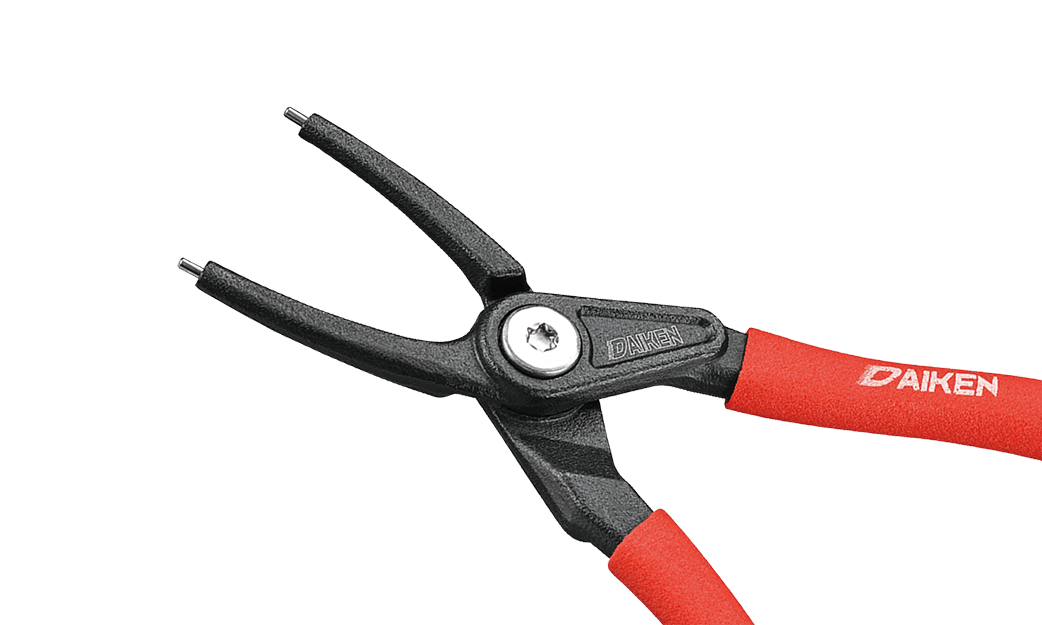
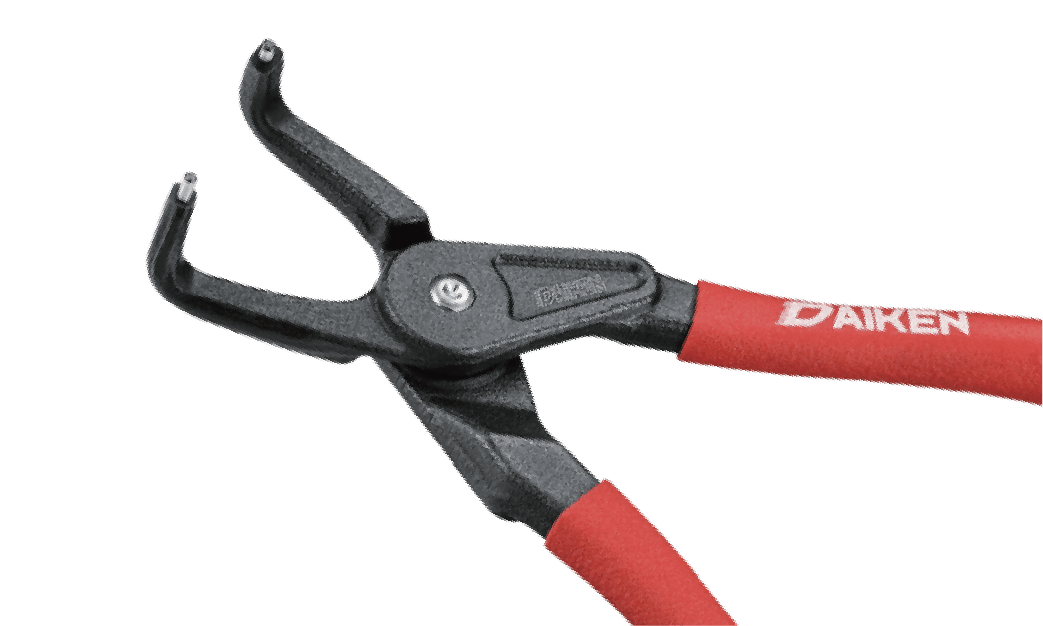
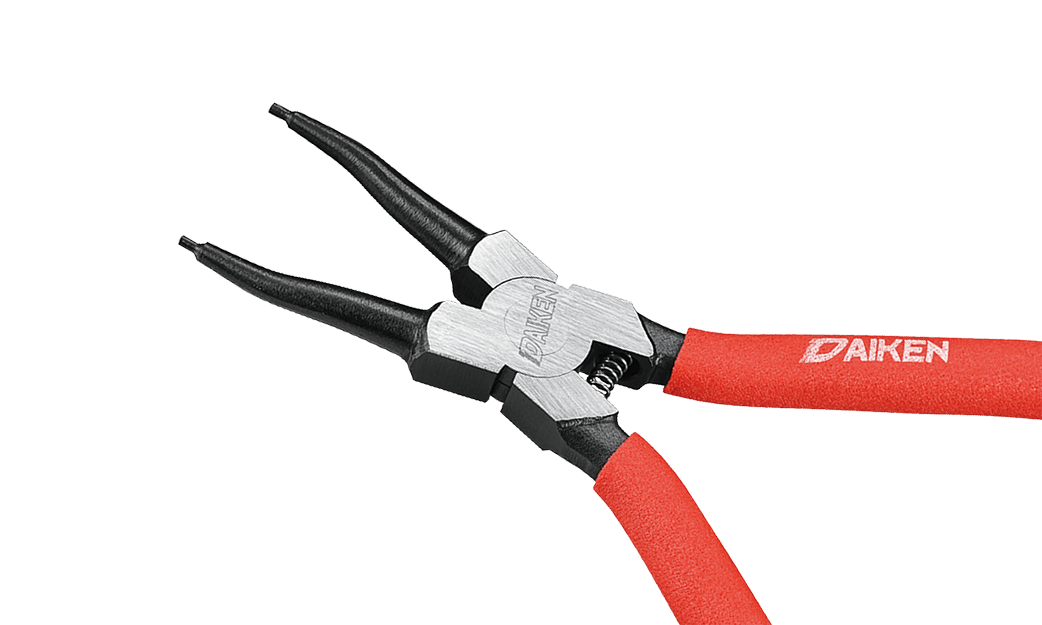
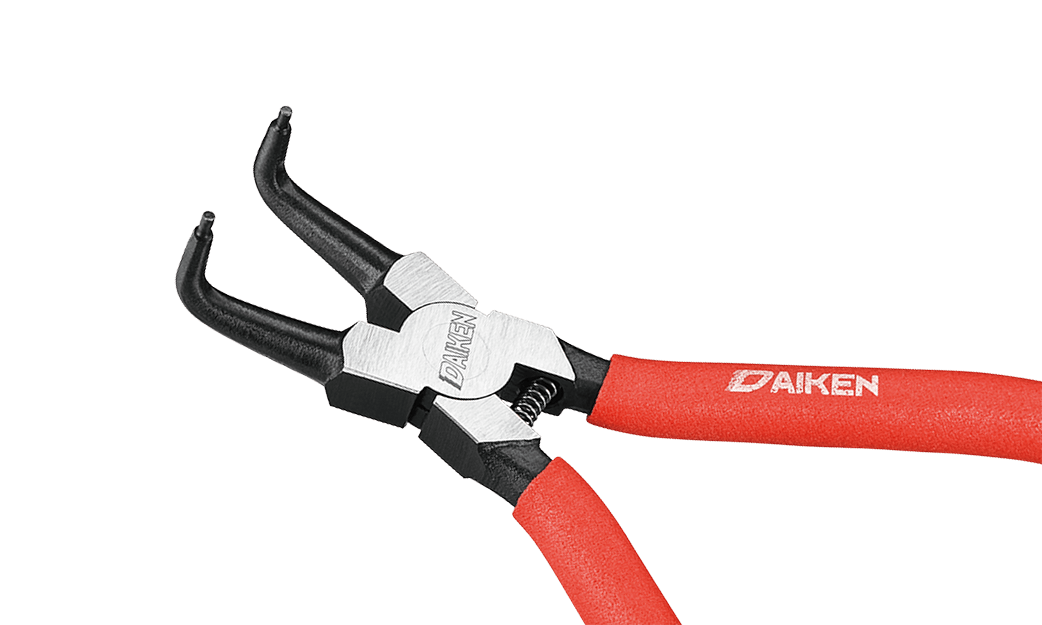
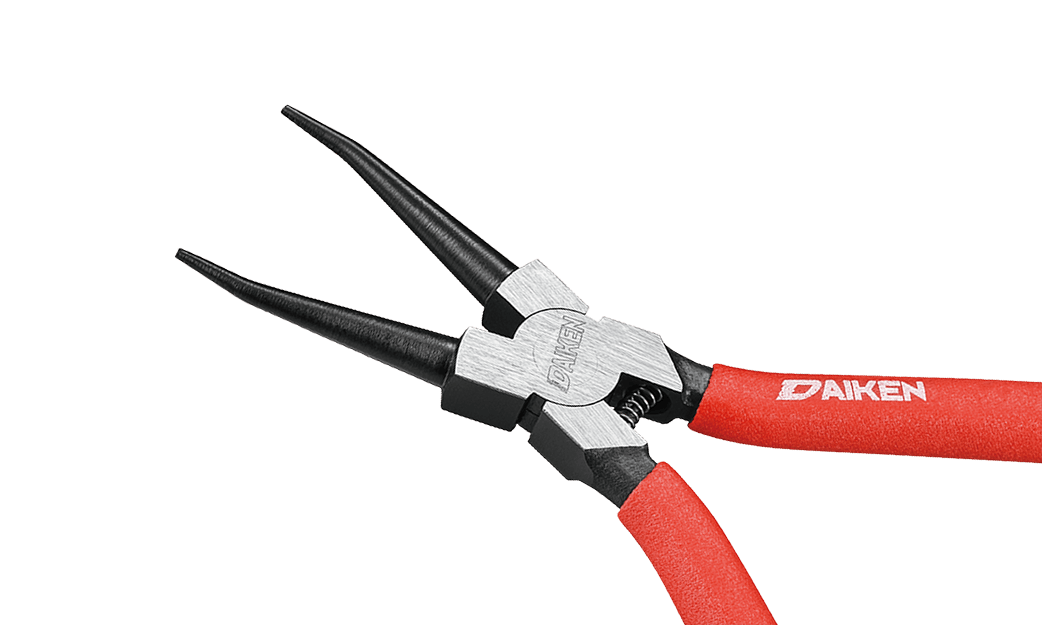
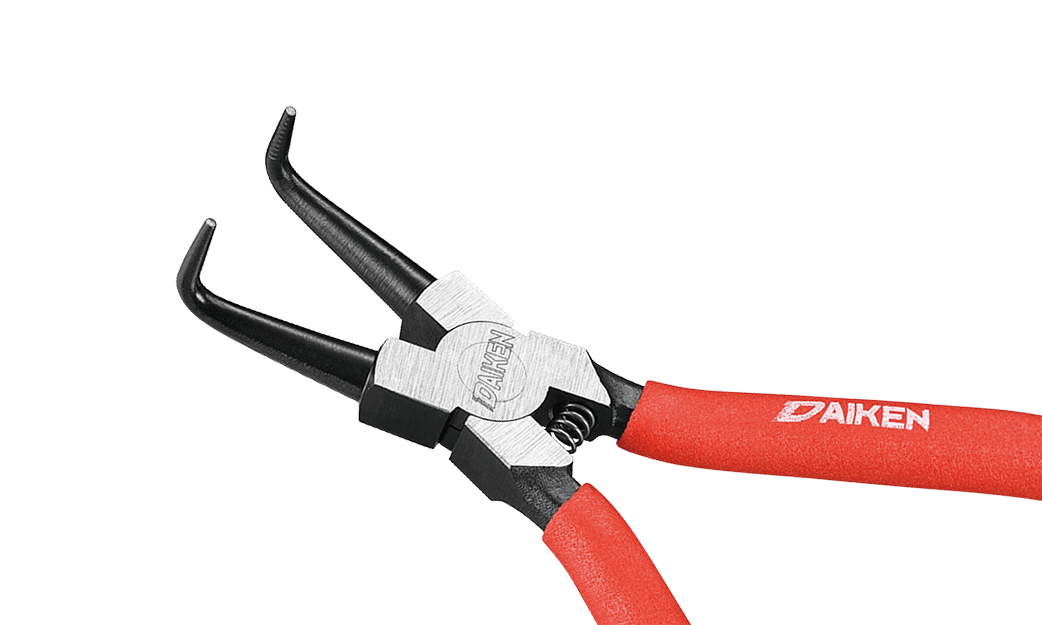
Internal Circlip Pliers (Straight and Bent)
- Use: compress internal circlips to fit them into a bore or take them out.
- Typical jobs: transmissions, differentials and engine assemblies.
- Straight tip: suits straight access deep in a bore.
- Bent tip: suits the edge of a bore or an angled approach.
European and Japanese Styles
- European style: a heavier handle and body, suited to large sizes and high-load work.
- Japanese style: fine tips and agile handling, suited to tight spaces and precision parts.
- How to choose: workpiece size, space limits and the tip shape you need.
Insert-Type Tips
- Feature: the tips fit into the circlip holes for a firmer hold and less risk of slipping.
- Best for: frequent assembly and disassembly, vibration, or oily conditions that affect grip.
Common Repair Jobs and Recommended Models
- Engine: crankshaft ends, timing mechanisms and oil pump brackets. Use straight circlip pliers for internal rings (insert type).
- Brakes: caliper clips and adjusters. Use bent circlip pliers of the European style for easier clearance.
- Drivetrain: bearing retaining rings and differential end faces. Choose external or internal straight circlip pliers by hole position, and switch to bent tips when space is limited.
- Industrial repair: fixture retaining rings and tooling locating rings. Insert-type automotive snap ring pliers improve stability and durability.
Buying and Specification Points
- Size match: choose the tip size by circlip hole spacing and thickness to avoid slipping or damaging the hole.
- Grip and effort: long handles and leverage-assist designs reduce fatigue in continuous use.
- Surface finish: a rust-resistant, oil-resistant finish suits vehicle and repair environments.
- Tip replacement and care: insert-type designs with replaceable tips lower long-term maintenance cost.
- Straight and bent pairing: keep both straight and bent tips in the same size to handle jobs where the view is blocked.