Advantages of Daiken Locking Pliers
These locking pliers also work as multi-purpose pliers, suited to many construction and repair situations.
- Stable grip: the jaw shape increases contact area for stronger grip and better slip resistance.
- Durable material: an alloy steel body, heat treated for toughness and wear resistance.
- Many uses: curved jaw, straight jaw, long nose and C-clamp options match different workpieces and methods.
- One-hand operation: the locking mechanism adjusts precisely and releases quickly, which speeds up work.
Common Uses and Suggested Pairings
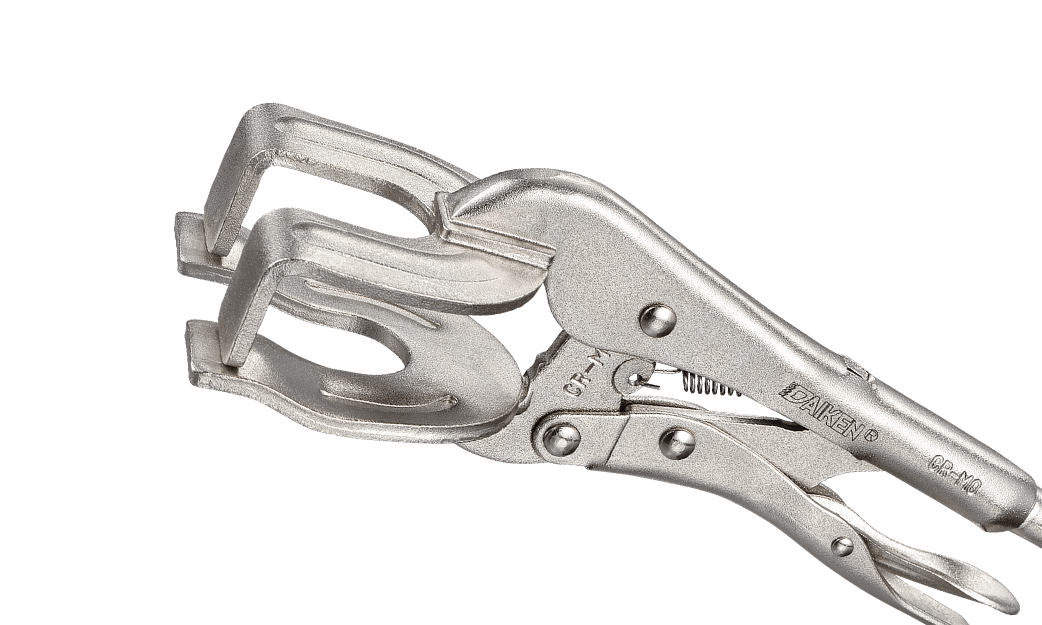
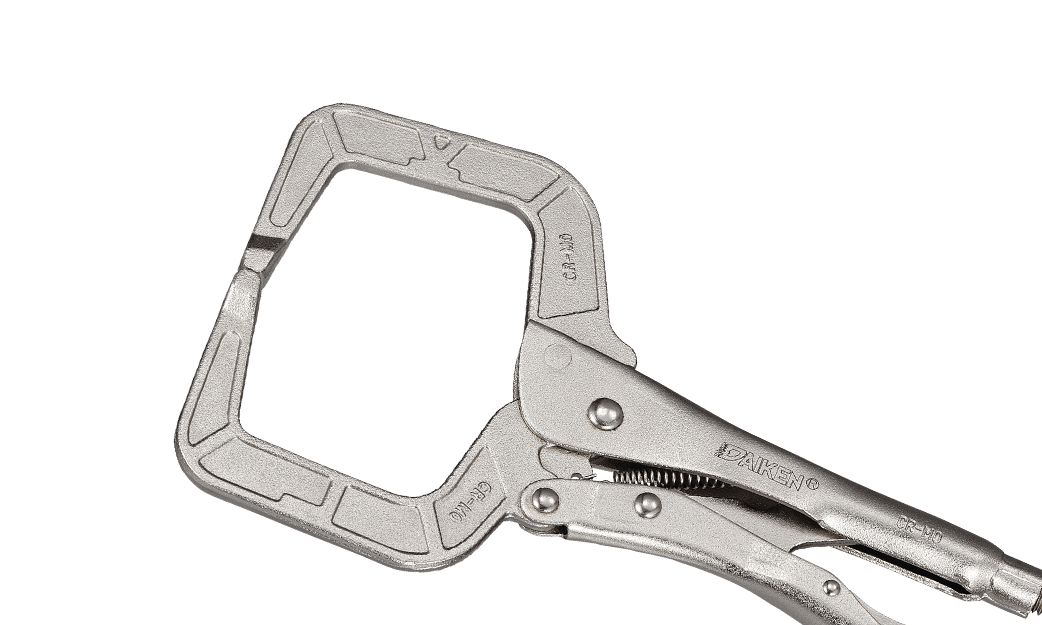
- Metalworking and welding: use locking welding clamps or C-clamps, which have a large clamping face and spread the force evenly.
- Pipes and round parts: curved jaw locking pliers grip round tube more firmly.
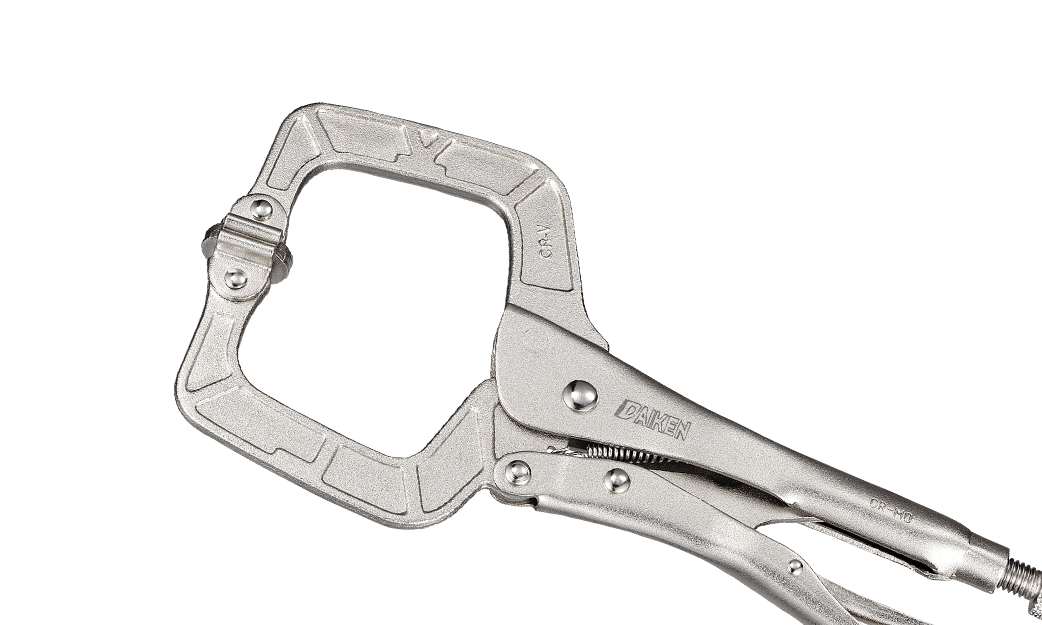
- Sheet metal forming and holding: locking sheet metal tools and C-clamps with swivel pads protect the surface and spread pressure.
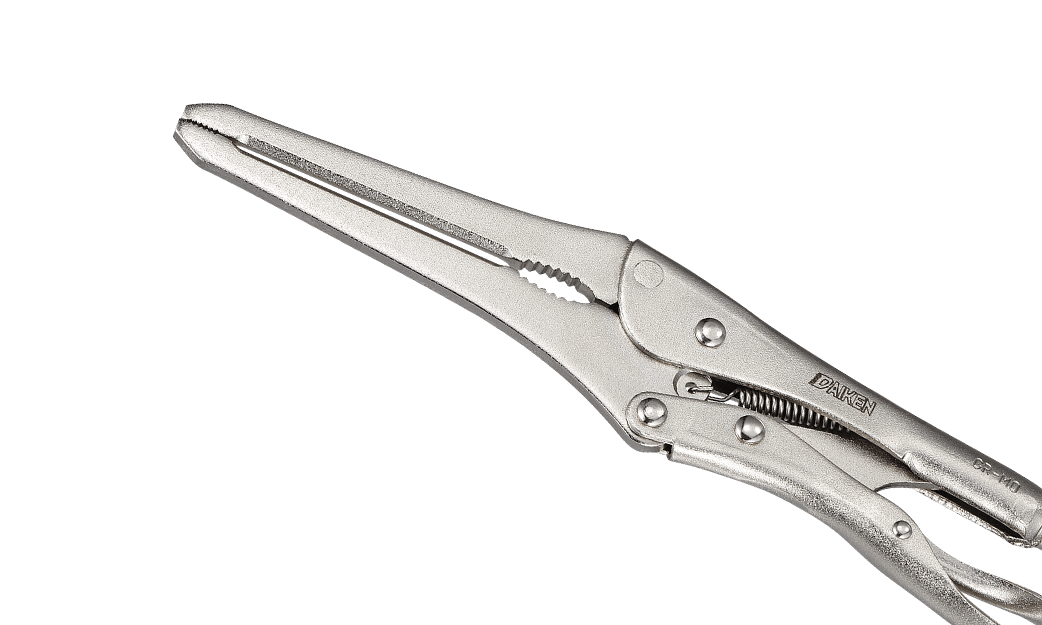
- Narrow or deep spaces: long nose locking pliers reach into restricted spots with more precision.
- High-torque removal: straight jaw locking pliers give steady grip on flat surfaces.
- Broken parts and cutting preparation: pinch-off locking pliers hold the material firmly before cutting.
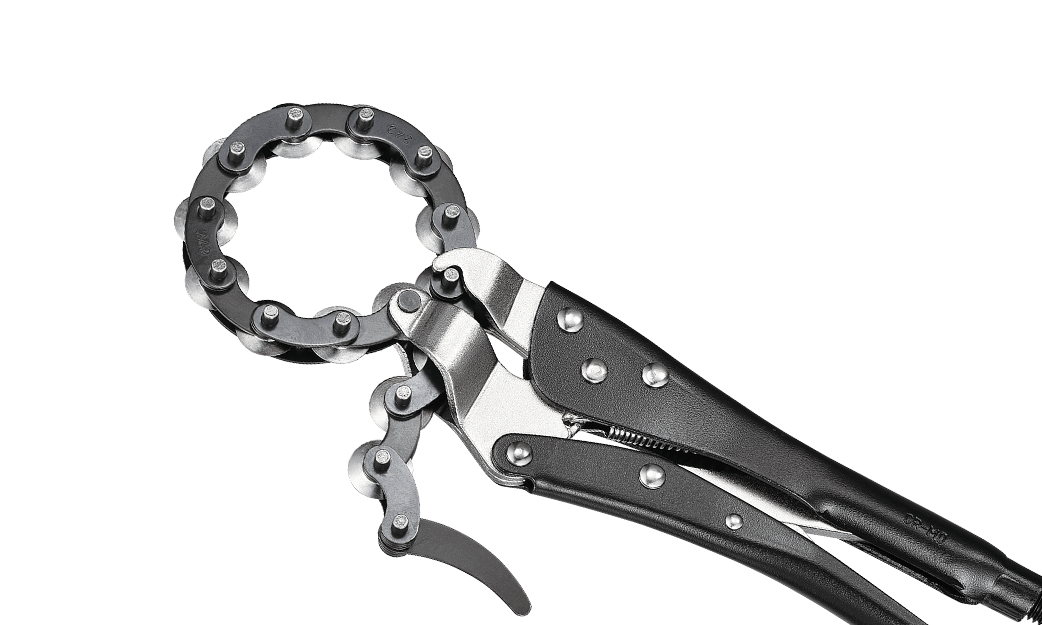
- Special workpieces: a chain pipe cutter holds large or irregular pipe.
Locking Pliers Product Overview
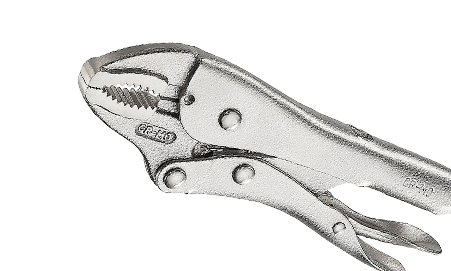
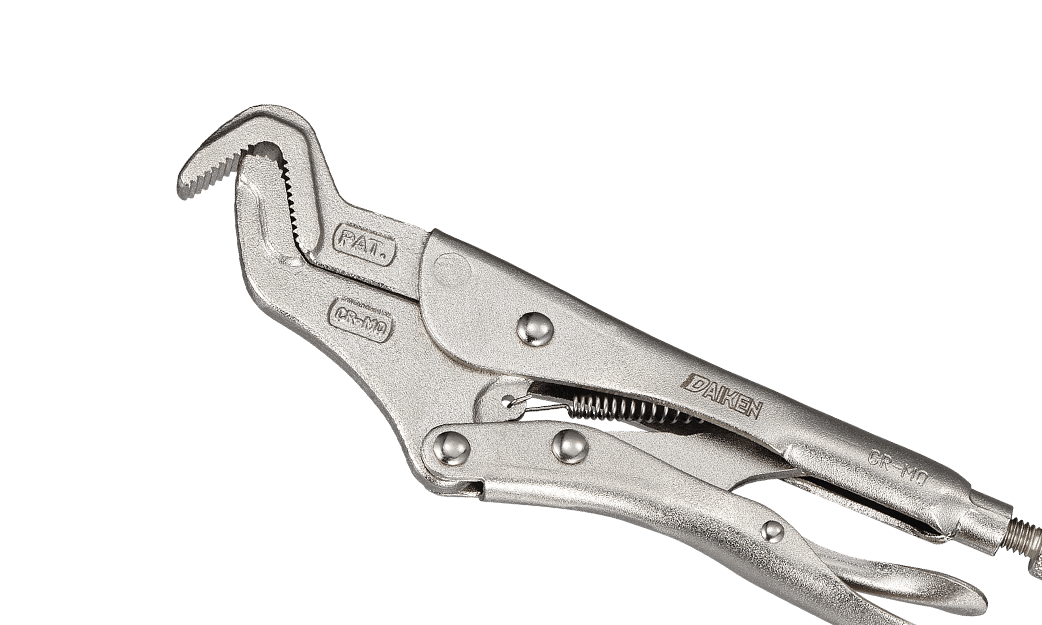
- Curved jaw locking pliers: for round tube, nuts and irregular shapes.
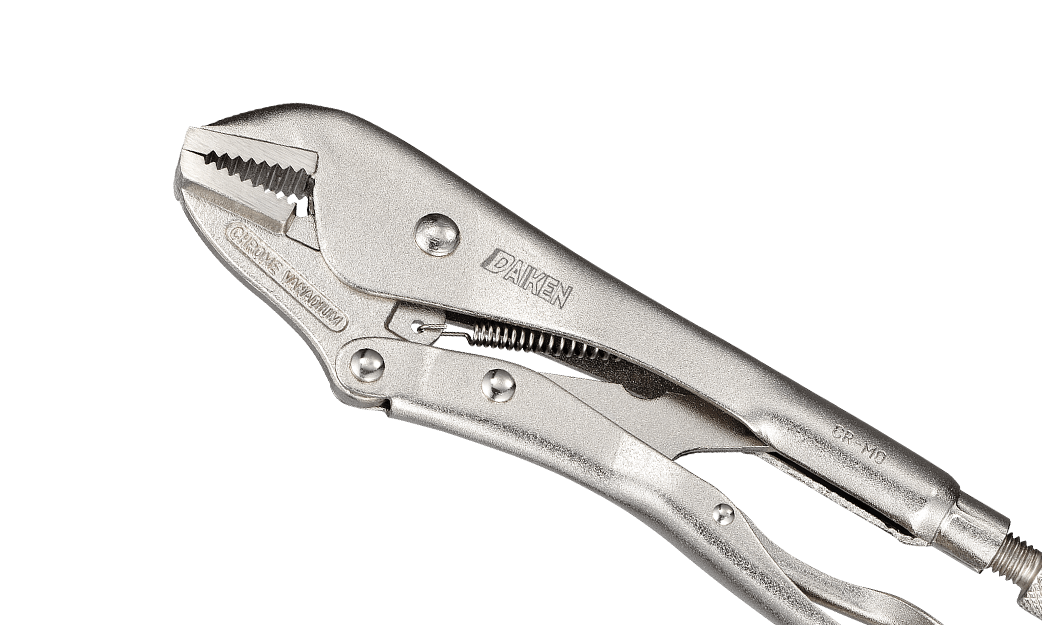
- Straight jaw locking pliers: even force on flat workpieces for steady assembly and disassembly.
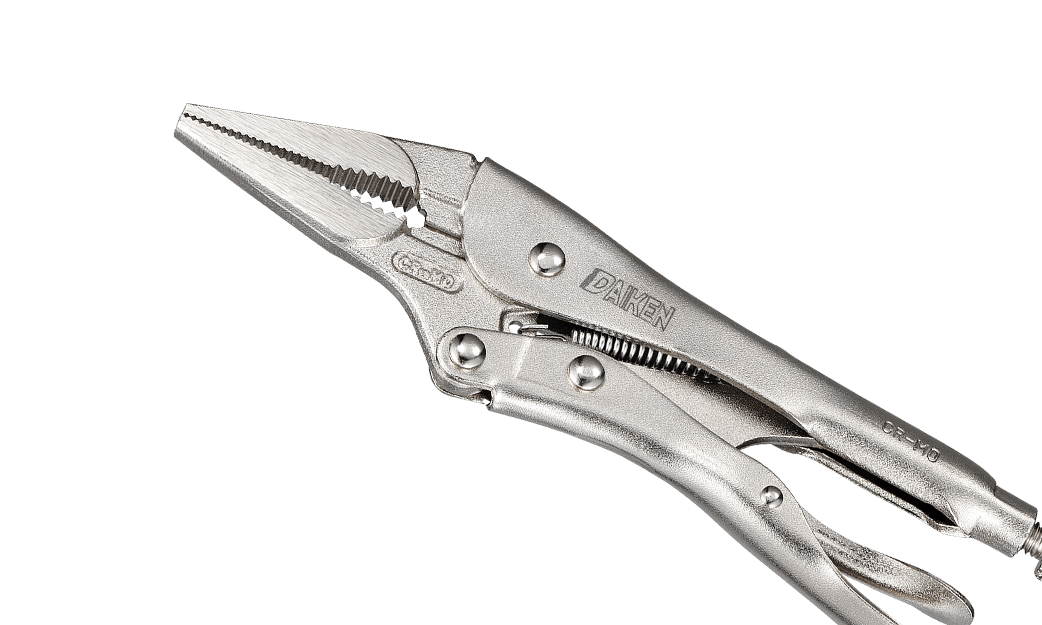
- Long nose locking pliers: picking up, aligning and precise gripping in tight spaces.
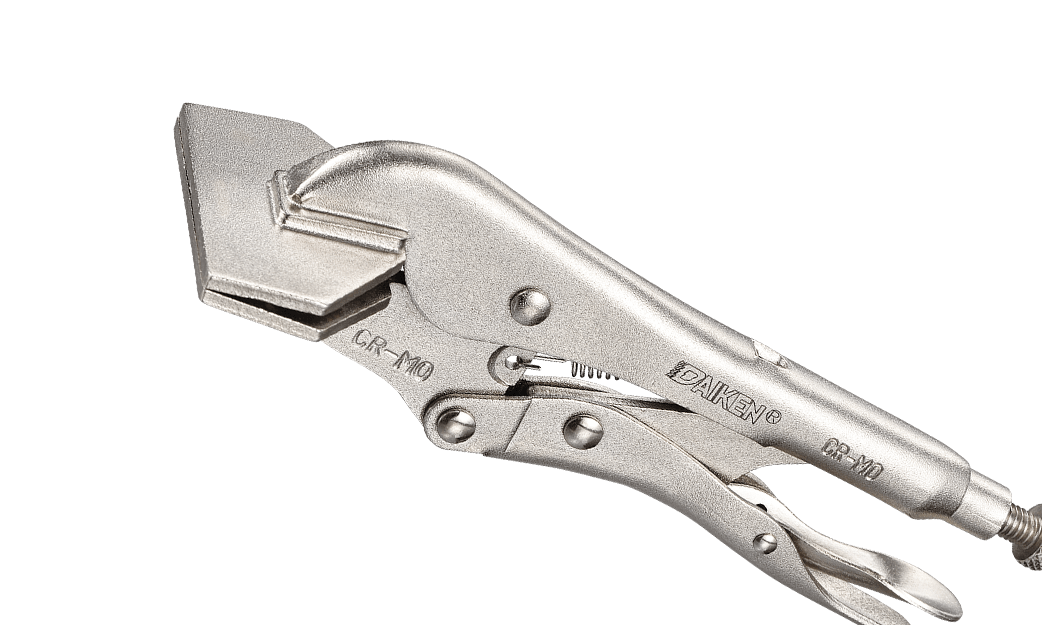
- Locking sheet metal tools: flanging, aligning and tack-weld positioning of sheet.
- Locking welding clamps: hold the workpiece before welding to prevent movement.
- Standard-tip locking C-clamps: wide-area holding that helps prevent distortion.
- Swivel-pad C-clamps: protect the workpiece surface and adapt to angle differences.
- Pinch-off locking pliers: create a firm holding point for cutting.
- Parrot-nose pliers: a strong bite for heavy work.
- Chain pipe cutter: a wrap-around holding tool for large-diameter pipe.
How to Choose Locking Pliers: Match by Need
- Gripping round tube or nuts: choose curved jaws.
- Stable flat gripping: choose straight jaw locking pliers.
- Limited space and deep reach: choose long nose pliers.
- Welding and sheet metal positioning: choose C-clamps or locking sheet metal tools.
- Surface protection or adjustable angle: choose swivel-pad C-clamps.
- Holding large pipe: choose the chain pipe cutter.
Looking for a locking pliers supplier for your own range? Contact Daiken to discuss models and OEM options.